How to Read a Supplement Label: Serving Size, Blends and Red Flags

Key takeaways
- Serving size is the first thing to check — a bottle's ingredient amounts are per serving, not per capsule or gummy.
- A proprietary blend discloses a total weight but not the individual amounts inside it.
- The ingredient form affects absorption; two products can list the same mineral and deliver very different results.
- Claims language on the front of the bottle tells you about the marketing, not the formula.
Why the panel beats the marketing
The front of a supplement bottle is marketing. The Supplement Facts panel on the back is a regulated disclosure. If those two things ever seem to disagree, the panel is the one that describes what you are actually swallowing.
Learning to read it takes about ten minutes and will serve you for every supplement purchase you make afterwards. It is also the most reliable defence against the two most common problems in this category: underdosed formulas and misleading serving maths.
Serving size: the first trap
Start here, always. At the top of every panel is a line reading "Serving Size" and another reading "Servings Per Container."
Everything listed below those lines is the amount per serving — not per capsule, tablet or gummy. If the serving size is three capsules, the impressive-looking ingredient amounts are what you get from taking three, not one.
This matters twice over. First, it changes the real dose. Second, it changes the real price. A bottle of 90 capsules with a three-capsule serving is a 30-day supply, not a 90-day supply, and its true cost per day is three times what a casual glance suggests.
Products with a one-serving-equals-one-unit format make this arithmetic simpler. A once-daily gummy where one gummy is one serving, for example, means the panel figures are exactly what you take each day.
Amounts and daily values
Each ingredient should list an amount per serving, usually in milligrams or micrograms. Where an established Daily Value exists — for vitamins and minerals — you will also see a percentage.
Two things to watch. A very high percentage is not automatically better; some nutrients have upper limits, and fat-soluble vitamins in particular can accumulate. And many botanical ingredients have no established Daily Value at all, so the column will show a dash. That is normal and not a warning sign in itself.
What is worth checking is whether the listed amount is in the range used in the research the marketing gestures at. Marketing frequently cites a study on an ingredient without mentioning that the study used several times the amount in the product.
Proprietary blends, explained
A proprietary blend is a group of ingredients listed together with a single combined weight rather than individual amounts. You will see something like "Vitality Blend — 750 mg" followed by a list of six ingredients with no numbers beside them.
This is legal, and manufacturers usually justify it as protecting a formula from competitors. The practical consequence for you is that the 750 mg could be 740 mg of the cheapest ingredient and trace amounts of the other five. You cannot tell, and that is the point.
Ingredients within a blend must be listed in descending order by weight, which gives you a small amount of information — whatever is listed first is the largest component. But it does not tell you the ratio.
A blend is not automatically disqualifying. It is a reason for caution, particularly when the expensive-sounding ingredients are listed last.
Ingredient forms matter
Labels usually specify the chemical form of a mineral in parentheses — "zinc (as zinc oxide)" or "magnesium (as magnesium oxide)" versus citrate, glycinate or picolinate versions.
This is not pedantry. Absorption varies meaningfully between forms. Oxide forms are typically cheaper and generally less well absorbed than chelated alternatives. Two products can both truthfully say they contain 15 mg of zinc and deliver noticeably different amounts to your system.
The same principle applies to botanicals, where you will sometimes see standardisation information — an extract standardised to a specific percentage of an active compound tells you more than a plain plant-name listing.
Red flags on the rest of the bottle
Beyond the panel, a few things are worth scanning for.
Disease claims. A dietary supplement cannot legally claim to treat, cure or prevent a disease. If packaging or a sales page makes that leap, the company is either uninformed about the rules or unconcerned by them. Neither is reassuring.
Guaranteed outcomes. Specific promised results by a specific date are marketing, not science.
No manufacturer information. A name and contact address should be present. Its absence is a meaningful gap.
Missing warnings. Legitimate products carry contraindication information — who should not take it, and which medications warrant a conversation with a doctor first.
No lot number or expiry date. Both should be printed or stamped on the bottle.
Dosage figures that only appear in adverts. If a number appears on a sales page but not on the panel, trust the panel. Formulations change, and old marketing lingers online for years. This is precisely why our ingredients article declines to publish amounts that are not confirmed on the current physical label.
None of this requires expertise. It requires turning the bottle around and spending a minute on the part nobody is trying to make exciting. If you take prescription medication or manage a health condition, take the actual label to a healthcare professional rather than relying on a website — including this one.
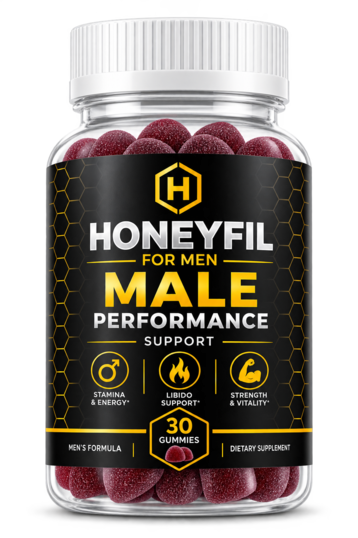
One Gummy. Once a Day.
HoneyFil supports healthy circulation, daily energy, stamina and endurance as part of a healthy lifestyle. One-time purchase, no auto-renewal, 60-Day Satisfaction Promise.
Individual results vary.
Order HoneyFil →Frequently asked questions
What does serving size mean on a supplement label?
Serving size tells you how many capsules, tablets or gummies make up one serving. All ingredient amounts listed below it are per serving, not per unit.
What is a proprietary blend?
A proprietary blend lists several ingredients under a single combined weight without disclosing individual amounts. Ingredients are listed in descending order by weight.
Does the form of a mineral matter?
Yes. Absorption varies between forms. Oxide forms are typically less well absorbed than chelated forms such as citrate, glycinate or picolinate.
Where should I check ingredient dosages?
On the Supplement Facts panel of the physical bottle you receive. Dosage figures in older advertisements or third-party pages may no longer be accurate.
Safety Information
HoneyFil is a dietary supplement, not a treatment for any medical condition. It is not for anyone under 18, and it is not intended for women or anyone who is pregnant or breastfeeding.
Consult a healthcare professional before use if you take prescription medication — especially blood-pressure medication, nitrates, blood thinners or diabetes medication — manage a medical condition, or are preparing for a medical procedure. If you have persistent or concerning changes in sexual function, energy or circulation, speak with a qualified healthcare professional.
These statements have not been evaluated by the Food and Drug Administration. This product is not intended to diagnose, treat, cure, or prevent any disease.
Return to the HoneyFil homepage for the full product overview, or browse all articles.