Men's Vitality After 40: A Practical Guide to Energy and Stamina
Key takeaways
- Muscle mass, sleep architecture and recovery capacity change measurably from the forties onward.
- Sleep and protein intake are the two highest-leverage changes for most men.
- Resistance training twice a week does more for stamina after 40 than any supplement.
- A routine you maintain for a year beats an optimal routine you abandon in three weeks.
What actually changes after 40
Some of what men attribute to ageing is genuinely age-related. Some of it is accumulated habit. Separating the two is useful, because you can only act on one of them.
Genuinely age-related: muscle mass declines gradually from around the fourth decade unless actively maintained. Sleep architecture shifts, with less deep sleep and more fragmentation. Recovery from hard physical effort takes longer. Testosterone declines gradually — typically a modest percentage per year, which is far less dramatic than supplement marketing implies.
Frequently mistaken for ageing: chronic short sleep, a decade of reduced activity, gradual weight gain, higher alcohol intake, unmanaged stress, and undiagnosed conditions like sleep apnea or elevated blood sugar. These often produce the symptoms men attribute to getting older, and they are far more modifiable.
The practical implication is that a fair amount of what feels like decline is addressable, and the addressable parts are mostly unglamorous.
Start with sleep, not supplements
If your energy has dropped and your sleep is poor, nothing else on this list will compensate. Sleep is where recovery, hormone regulation and cognitive restoration happen.
The practical levers: a consistent wake time seven days a week does more than a consistent bedtime. Alcohol within three hours of bed reliably fragments sleep even when it helps you fall asleep faster. A cool, dark room matters more than most sleep gadgets. And caffeine has a half-life of roughly five to six hours, so a 3pm coffee is still meaningfully present at 9pm.
One flag worth taking seriously: if you snore loudly, wake unrefreshed despite seven or eight hours, or your partner has noticed you stop breathing, ask a doctor about sleep apnea. It is common in men over 45, substantially underdiagnosed, and treating it changes energy levels more than any product discussed anywhere on this site.
Protein and muscle mass
Muscle is not just about appearance. It is metabolically active tissue that supports glucose handling, functional strength and daily stamina. Losing it gradually is one of the more consequential changes of middle age.
Two things preserve it: resistance training and adequate protein. Protein requirements are generally higher for older adults than the basic recommended minimums, and most men eating a typical Western diet get the bulk of their protein at dinner while eating very little at breakfast. Spreading intake more evenly across meals is a simple change with reasonable evidence behind it.
You do not need to weigh food or track macros. Including a real protein source at each meal covers most of the gap.
Movement that fits a real schedule
The most common failure mode is designing a programme for a version of yourself with more time than you have. Four gym sessions a week is a fine plan that most men with jobs and families do not sustain past week five.
A more durable structure: two resistance sessions a week, thirty to forty minutes each, covering the major movement patterns. Plus daily walking — genuinely just walking — accumulated however it fits. That combination preserves muscle, supports cardiovascular health, and survives a busy month.
If you are returning to training after years away, start well below what you think you can handle. The most common reason men over 40 stop training is not lack of motivation; it is an injury sustained in the first fortnight from doing too much too soon.
Stress, alcohol and the evening slump
Chronic stress affects sleep, appetite regulation, blood pressure and motivation simultaneously. It is also the hardest item on this list to address with a tidy protocol.
What tends to help in practice: some form of genuine downtime that is not screen-based, regular time outdoors, and social contact. What tends not to help: using alcohol as the primary wind-down mechanism, which trades a short-term reduction in tension for measurably worse sleep.
The 3pm energy dip most men experience is partly circadian and partly meal composition. A very carbohydrate-heavy lunch tends to make it more pronounced. Adding protein and fibre, and getting ten minutes of daylight and movement after eating, often reduces it noticeably.
Building a routine you will actually keep
Here is the pattern worth internalising: the best routine is the one still running in six months. Optimisation matters far less than persistence, and most men over-engineer the plan and under-engineer the adherence.
Attach new habits to existing ones rather than creating new slots in the day. Take a supplement with your morning water rather than at a time you have to remember. Walk after a meal you already eat. Train on days that already have a fixed shape.
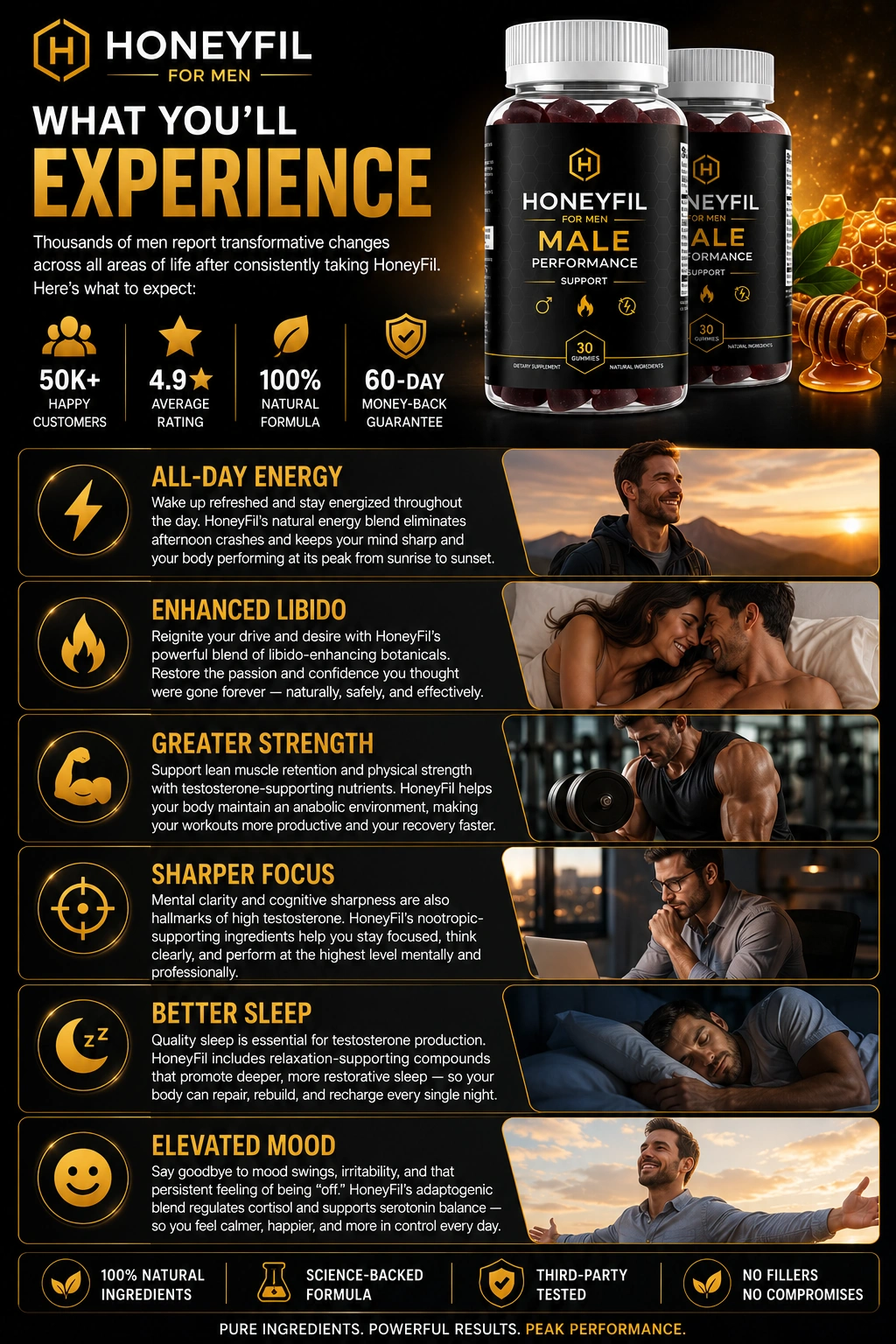
And judge things on a sensible timescale. Two weeks tells you almost nothing about a wellness routine. Sixty to ninety days tells you something real. That is the same window worth applying to any daily supplement, including a once-daily format like HoneyFil — which is designed to be one small, easy component of a routine rather than the routine itself.
Individual results vary, and none of this replaces medical advice. If your energy has dropped substantially and unexplainedly, that warrants a conversation with a doctor rather than a purchase.
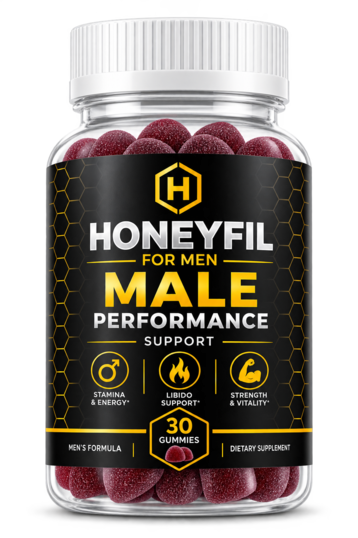
One Gummy. Once a Day.
HoneyFil supports healthy circulation, daily energy, stamina and endurance as part of a healthy lifestyle. One-time purchase, no auto-renewal, 60-Day Satisfaction Promise.
Individual results vary.
Order HoneyFil →Frequently asked questions
Why am I more tired in my 40s and 50s?
Sleep architecture, muscle mass and recovery capacity all change with age, but chronic short sleep, reduced activity, alcohol and undiagnosed conditions such as sleep apnea are frequently the larger contributors.
What is the single most effective change for energy after 40?
For most men it is improving sleep quality and consistency. If sleep is poor, other interventions have limited impact.
How much resistance training do I need?
Two sessions a week covering the major movement patterns is a realistic and sustainable baseline for preserving muscle mass.
Should I see a doctor about low energy?
Yes, if it is persistent, unexplained or worsening. Low energy can indicate conditions including sleep apnea, thyroid issues, anaemia or elevated blood sugar.
Safety Information
HoneyFil is a dietary supplement, not a treatment for any medical condition. It is not for anyone under 18, and it is not intended for women or anyone who is pregnant or breastfeeding.
Consult a healthcare professional before use if you take prescription medication — especially blood-pressure medication, nitrates, blood thinners or diabetes medication — manage a medical condition, or are preparing for a medical procedure. If you have persistent or concerning changes in sexual function, energy or circulation, speak with a qualified healthcare professional.
These statements have not been evaluated by the Food and Drug Administration. This product is not intended to diagnose, treat, cure, or prevent any disease.
Return to the HoneyFil homepage for the full product overview, or browse all articles.